
The Best Shower Pan Waterproofing Methods:
TL;DR
Hot mop, PVC liners, and liquid waterproofing are the three main methods for shower pan waterproofing.
Hot mop uses layers of hot asphalt and felt to create a seamless, watertight barrier.
PVC liners are flexible plastic sheets placed under the mortar bed but can trap moisture if not installed correctly.
Liquid waterproofing membranes are painted on but require multiple coats and precise application.
Bower Tile prefers hot mop because of its durability and long lifespan.
The Best Shower Pan Waterproofing Methods: Why Bower Tile Prefers Hot Mop
When it comes to building a shower that lasts, waterproofing is everything.
If your shower pan isn’t properly sealed, water will find a way to escape. And trust me, you don’t want that. Water damage is like glitter—it spreads everywhere, it’s impossible to get rid of, and it’s way more expensive than you’d ever expect.
That’s why choosing the right waterproofing method for your shower pan is a big deal.
At Bower Tile, we believe hot mop is the best waterproofing method for shower pans, especially in Southern California.
Why? Because it’s durable, long-lasting, and ridiculously effective at keeping water where it belongs.
But we’re not here to just tell you what we think—you deserve the full picture.
Let’s break down the three most common shower pan waterproofing methods and explain why hot mop stands above the rest.
What Is Hot Mop Waterproofing?
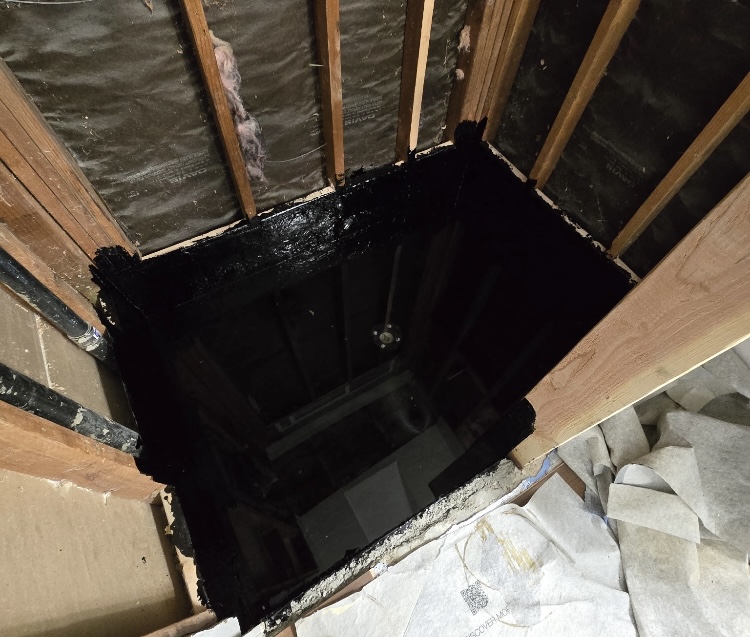
Hot mop is a waterproofing method that involves layering hot liquid asphalt and roofing felt to create a rock-solid, watertight barrier.
If you’ve ever seen road construction with workers spreading hot tar on asphalt, hot mop is kind of like that—except it’s done in your shower, and it won’t mess up your commute.
This method has been around for decades, and there’s a reason professionals still swear by it. It works.
Why Is Hot Mop the Go-To Choice for Shower Pans?
1. It’s Practically Bulletproof
Okay, maybe not literally bulletproof, but hot mop is as tough as they come.
It forms a seamless, watertight barrier that keeps leaks from ever becoming a problem.
Unlike other methods, hot mop doesn’t rely on glue, seams, or overlapping pieces that can fail over time.
It’s one solid, waterproof layer.
2. It Lasts Decades
If you’re investing in a shower remodel, you want it to last.
Hot mop can easily last 30+ years when installed properly.
Other methods? Not so much.
Some waterproofing techniques degrade over time, crack under pressure, or just don’t hold up in the long run.
With hot mop, you won’t be calling a contractor in five years, asking why your bathroom smells like a swamp.
3. It Handles Movement Like a Pro
Houses shift. Foundations settle. People jump up and down in the shower when they hear their favorite song.
Hot mop has a bit of flexibility, allowing it to adapt to minor movement without cracking or breaking.
Some rigid waterproofing methods aren’t as forgiving. They crack, and the moment that happens, water sneaks in.
And when water sneaks in… well, let’s just say you won’t like what happens next.
4. It Works With Any Tile or Stone
Whether you want a classic subway tile shower or a luxurious marble masterpiece, hot mop plays well with any material.
No special adhesives. No weird compatibility issues. Just a waterproof base that supports whatever dream shower you have in mind.
5. It Dries Fast
Unlike some waterproofing methods that take days to cure, hot mop dries quickly.
That means your tile installer can get to work faster, and you can get back to enjoying your bathroom sooner.
Less waiting, more showering. That’s a win in our book.
How Is Hot Mop Applied?
The hot mop process isn’t something you DIY (unless you really love the idea of handling 500-degree asphalt).
It’s a job for trained pros who know what they’re doing.
Here’s how it works:
Prepping the Base – The shower pan is built with a pre-slope, ensuring water naturally flows toward the drain.
Laying the Felt – A layer of roofing felt is placed down to act as the first waterproofing layer.
Applying the Hot Asphalt – Hot liquid asphalt is spread over the felt, sealing it in place.
Repeating the Layers – This process is repeated three to four times to build up a strong, waterproof barrier.
Sealing the Corners & Drain – Special attention is given to corners, seams, and the drain to prevent any weak spots.
Leak Testing – Before tile installation, the shower pan is filled with water to ensure there are zero leaks.
Once it passes inspection, it’s good to go.
Other Shower Pan Waterproofing Methods
Hot mop isn’t the only way to waterproof a shower pan.
There are two other common methods: PVC/CPE liners and liquid waterproofing membranes.
Let’s break them down.
1. PVC or CPE Shower Pan Liners
These are flexible plastic liners that sit beneath the mortar bed in a shower pan.
Think of them as a giant plastic sheet that holds water in place.
Pros:
Affordable & widely available
Flexible—won’t crack under slight movement
Works with traditional tile showers
Cons:
Installation can be tricky—a single puncture = leaks
Prone to failure if not installed perfectly
Water can get trapped above the liner, leading to mold over time
PVC liners work, but they require precision. If the liner isn’t properly wrapped around the drain or curb, you could have big problems down the road.
And if you’ve ever tried to install something “perfectly,” you know that’s easier said than done.
2. Liquid Waterproofing Membranes
These are paint-on or roll-on waterproofing coatings like RedGard or Hydro Ban.
They’re applied directly to the shower pan and walls, creating a seamless waterproof barrier.
Pros:
Easy to apply—just roll or brush it on
No seams or overlaps—reduces leak points
Works great for custom shower designs
Cons:
Requires multiple coats and proper drying times
Uneven application can lead to leaks
Not as durable as hot mop for long-term performance
Liquid waterproofing is a good option for walls, but for shower pans, it’s not as tough as hot mop.
Miss a spot, apply it too thin, or rush the drying process, and you’re looking at potential leaks.
Why Bower Tile Prefers Hot Mop
At Bower Tile, we’ve seen every waterproofing method in action.
We’ve worked with hot mop, PVC liners, and liquid membranes, and we know what lasts.
Hot mop stands out for one simple reason: longevity.
It’s the most durable, most time-tested, and most reliable waterproofing method for shower pans.
We want our customers to feel confident in their shower for decades, not just a few years.
That’s why hot mop is our go-to choice.
It’s not the cheapest. It’s not the easiest.
But when it comes to keeping water where it belongs, it’s the best.
Final Thoughts: What’s the Best Waterproofing Method for Your Shower?
If you want a shower pan that lasts, hot mop is the way to go.
PVC liners and liquid membranes work, but they don’t offer the same level of durability.
So, if you’re in Lancaster, Palmdale, or anywhere in Southern California, and you want a leak-proof, long-lasting shower, give Bower Tile a call.
We’ll make sure your shower is built to last—because waterproofing isn’t just a step in the process, it’s the foundation of a great bathroom.
